
For Farmers and Ranchers Enrolled in Growing GRASS
Want to learn more about what the Growing GRASS project can pay for? Scroll for the details!
Not enrolled yet? Click here to get started:




YOU ARE HERE!
You have received (or will soon receive) $3000 for completing our enrollment survey, contract, and payment portal sign up.
The Growing GRASS project can now help support you with the following opportunities laid out in our payment program below.
Growing GRASS Payment Programs
The Growing GRASS project has about $24M in federal funding slated to be paid directly to 1000 or more producers by June 2028.
To be sure we’re benefitting the most producers, the total dollars an individual producer requests from now until June 2027 will be capped at $24,000. We will publish new funding opportunities and caps in June 2027. Specific types of funding requests may be further limited based on market rates.
Funding requests are reviewed on a rolling basis, you can submit as many requests as you’d like within the payment cap limits. Note that funding is not guaranteed until you receive approval.
Sign in and request funds for the below payment programs using the same email address you used for your enrollment survey.
Value-Added Market On-Farm Audits & Certifications

We are building supply chains and growing demand for beef and bison byproducts including hides, organs, and other materials that too often go to waste. The Growing GRASS project can provide funding for on-farm audits and certifications that demonstrate you are implementing prescribed / regenerative grazing on your operation.
Regenerative Grazing Training & Peer Connection

Whether you're early in the transition or have been grazing regeneratively for years, staying connected to good information and other producers matters. Growing GRASS has funding available for training, educational events, and meetings where you can learn and share alongside others doing this work.
Physical Data Collection

Knowing more about your soil can always help your management, and can contribute to regenerative market access and growth. Apparel, pet food, and ingredients markets are interested in learning more about the additional benefits of regeneratively raised livestock. Growing GRASS can cover soil sampling, nutrient density testing, and other on-farm research that builds that case for your operation.

Coming soon: Grazing data sharing (that you paid to collect)
Growing GRASS will pay for access to certain types of data that you have collected or are collecting during the project. This can include past soil or other data testing results, as well as data from grazing cattle (via virtual collars).
Coming soon: Marketing and Storytelling

The Growing GRASS Project is designed to ensure producers define their own value and not just receive recognition from outside systems. Growing GRASS can support producers interested in telling their stories on their own terms, and marketing their regenerative products, with the goal of advancing the value of regenerative ingredients in the market.

Coming soon: LCA participation, invitation only
Includes exceptions to payment limits for data sharing and participation.
Check back soon for more details!
Coming soon: Drop credits for finishers

Check back soon for more details!
Producer Stories



Here are a few examples of how a rancher or farmer could engage with the GGRASS Project to strengthen their regenerative grazing program.
What Does This Look Like for a Producer?
Farmer Ted has a small farm in Minnesota where he is raising about 45 head of regenerative cattle for beef. They are prescribed grazed according to CPS 528 and finished on-site. The cattle are processed and sold locally at farmers markets and directly to consumers.
Ted enrolled with the Growing GRASS Project and after completing the survey and signing his contract, his farm received the $3000 enrollment incentive.
Upon learning about the Education and Training opportunity, he applied for a soil health and grazing workshop hosted by a local soil health organization.. The program cost, as well as the mileage he drove to and from the event, lodging for the night, and his meals for the trip were reimbursed by Growing GRASS.
Based on what he learned from the workshop, Ted decided he wanted to test his soil to provide a baseline for future soil health improvements. After scheduling with a local soil testing lab he found via contacts made through the soil health organization, he was able to be reimbursed for the full cost of the test.
Ted continued testing his soil the following year with another payment via GGRASS, and was able to see measurable improvements on pasture including increased forage density and quality.
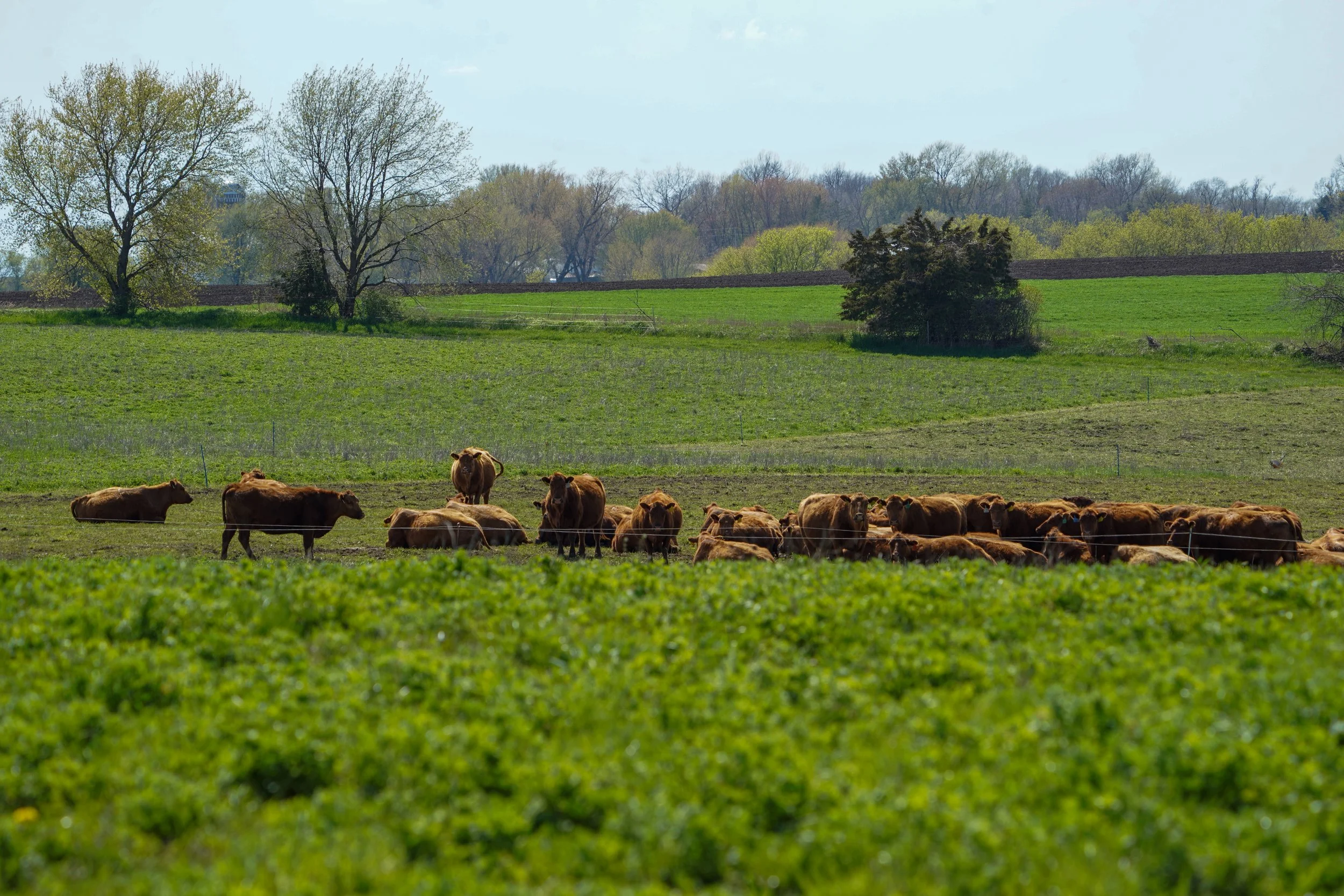
Enrollment Payment: $3000
Workshop Fee: $500
Travel Reimbursement: $289
Soil Testing: $6,500
Soil Testing: $1,700
Total payments received: $11,989
Rancher Jane has a large cow/calf beef operation in Central Montana, selling about 300 head to a regional aggregator each year. Her ranch is certified with the American Grassfed Association (AGA) as well as with Audubon’s Conservation Ranching Initiative.
After enrolling with GGRASS and receiving her enrollment payment, she was able to pay for her AGA audit in 2026, 2027, and 2028 with funding via GGRASS.
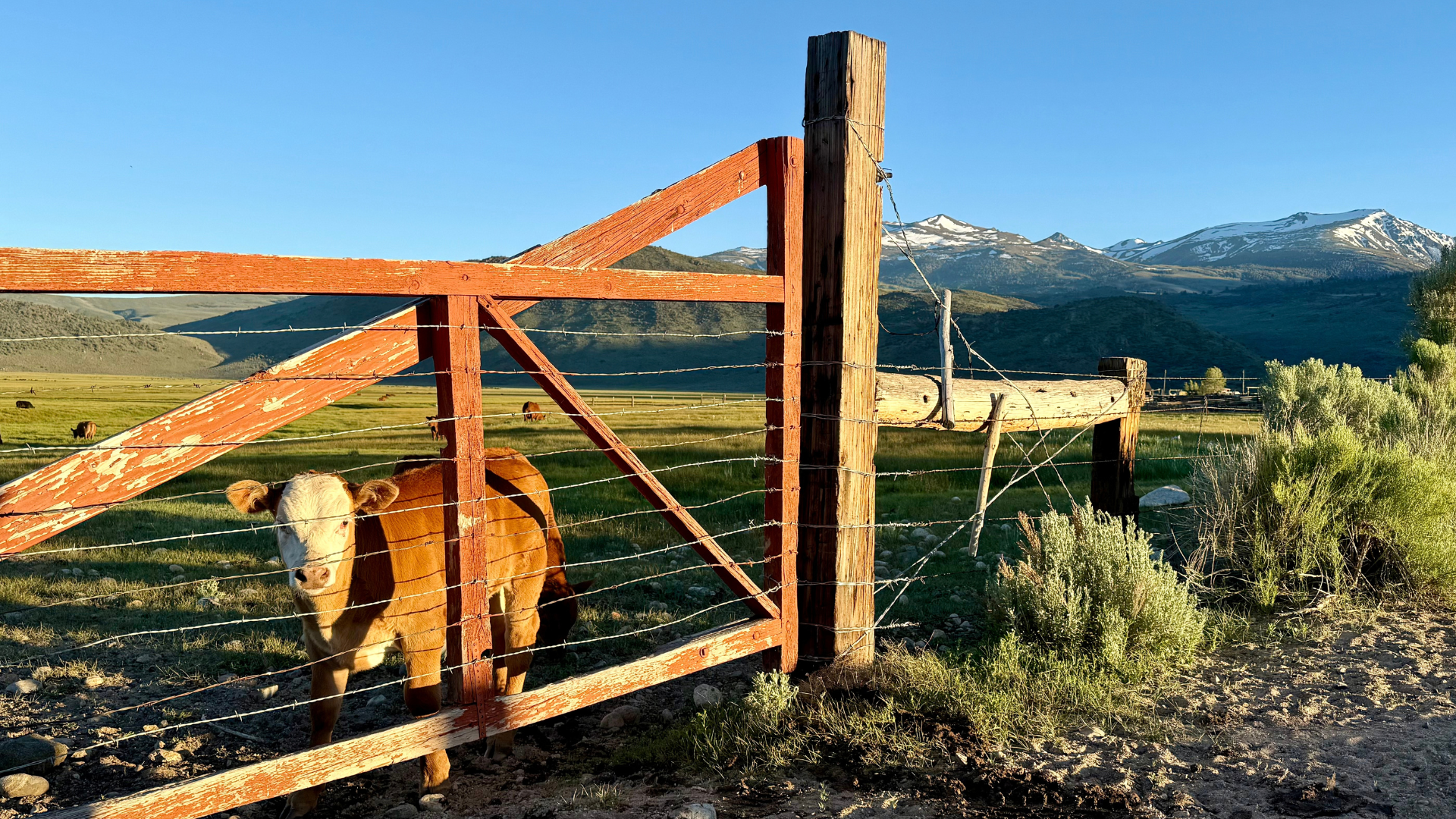
The Data Collection program under GGRASS also was able to reimburse Jane for an on-site soil test and a biodiversity assessment. Her soil data was shared with GGRASS and ultimately used in a regenerative leather Lifecycle Analysis (LCA). The data she shared was anonymized and only shared with the USDA and authorized partners who conducted the study.
The biodiversity assessment enabled her to participate in a new bird monitoring pilot program where audio recordings of birdlife on the ranch were analyzed. This data helped develop a bird biodiversity study which contributed to other ranchers across the US who are interested in conservation.
Enrollment payment: $3000
2026 AGA Audit fee: $250
2027 AGA Audit fee: $250
2028 AGA Audit fee $250
Soil Sampling: $7800
Biodiversity Auditory Monitoring and Analysis: $1200
Total payments received: $12,250
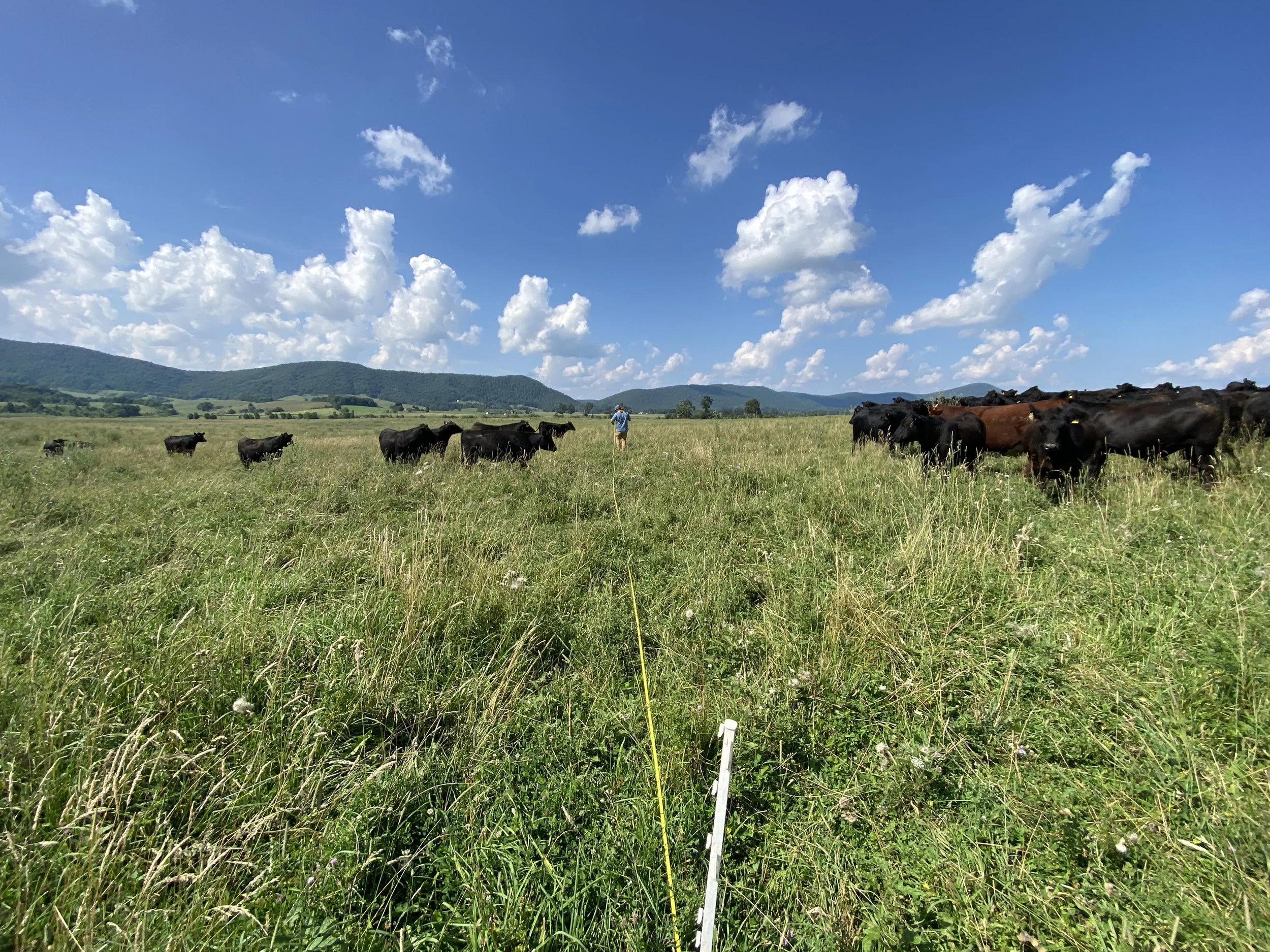
Rancher Greg has a medium-sized cow/calf operation in western North Carolina. When a local farmer advocacy group introduced him to Growing GRASS he registered with the FSA to qualify, then self-certified that his grazing practices qualified as prescribed grazing even though he had only just started the practice recently. His land is rented from another rancher, but Greg has permission to register the fields independently and manage the property as he sees fit.
He enrolled with the program, received his $3000 payment, then got busy again managing his ranch.
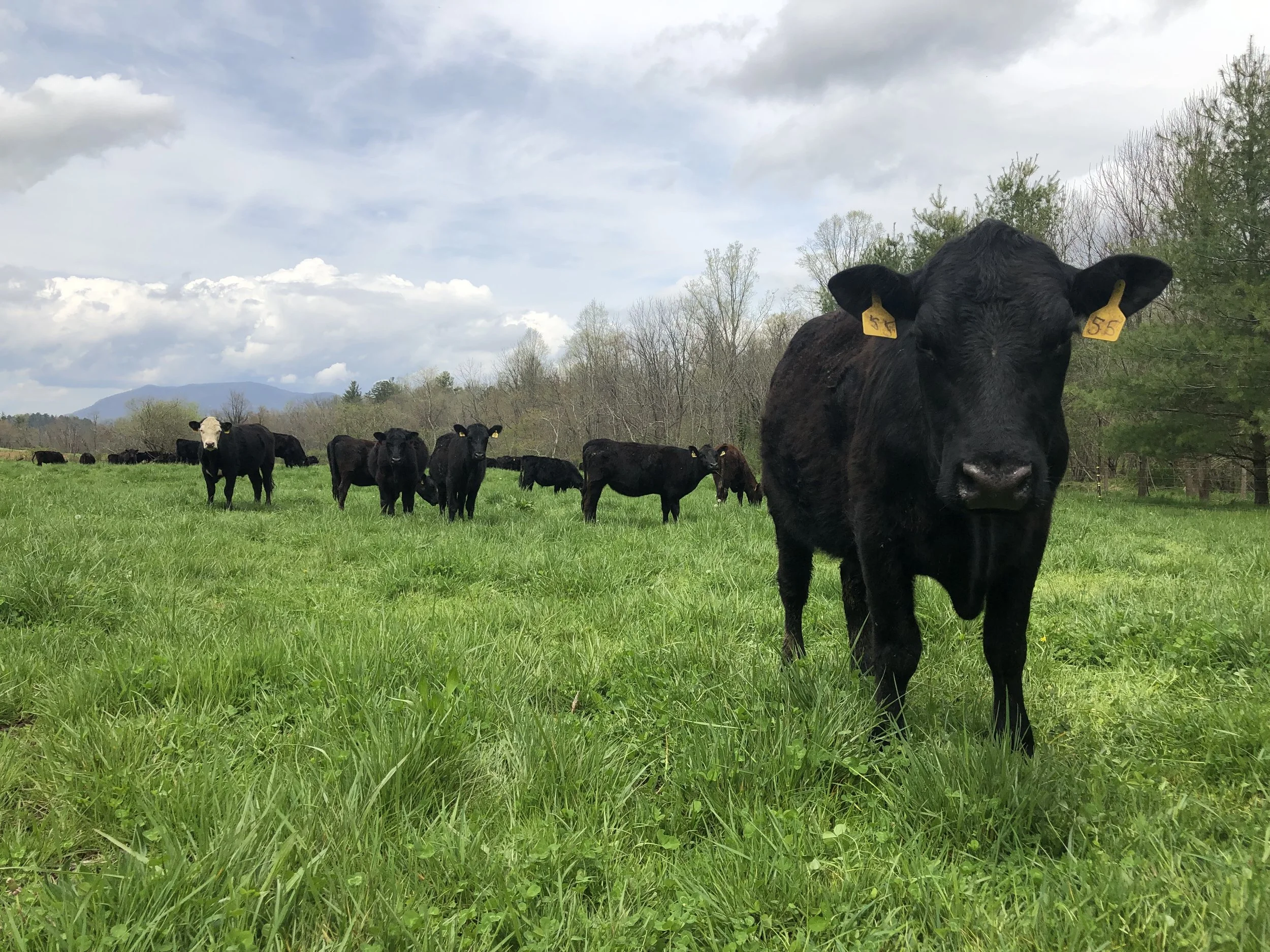
After a few months, Greg was ready to engage more with his regenerative grazing practices and decided to register for a regional regenerative training program. GGRASS covered the cost of his training and travel, and he began employing more focused management practices. As he engaged with other ranchers he had met in his training program, Greg decided to attend a regional grazing conference to learn from others and offer up the lessons he had learned implementing the practice on his own ranch. The travel costs and registration fees for the conference were covered by GGRASS.
Enrollment payment: $3000
Conference Registration Fee: $250
Travel and Lodging for conference: $316.78
Total payments received: $3,566.78
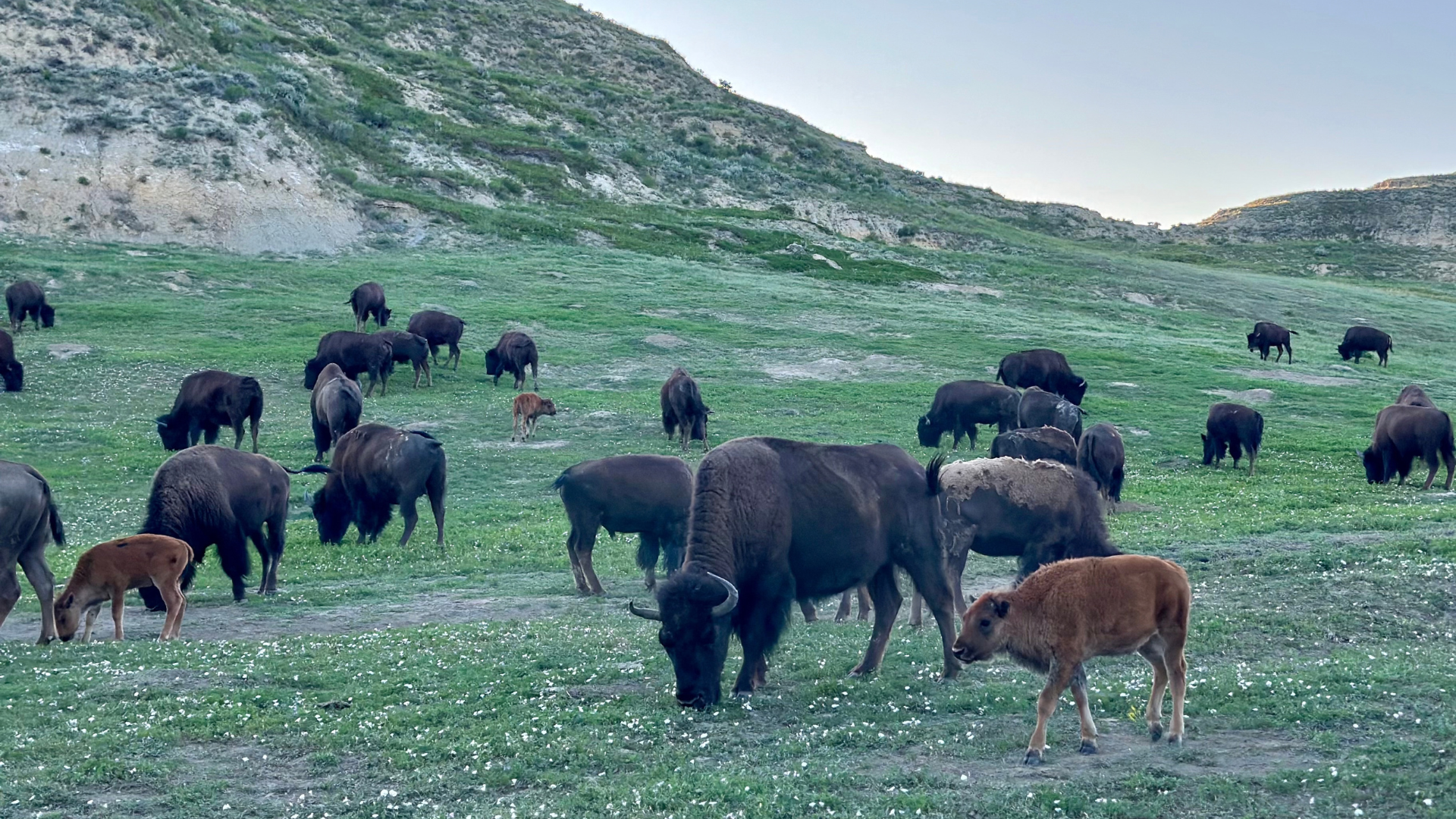
Farmer Andrea is a beginning farmer in South Dakota who is grazing about 25 buffalo and selling her meat directly to consumers in her area. She’s interested in increasing her experience and knowledge around prescribed grazing practices to grow her herd. She knows she also needs some support with marketing, communications, and sales, to communicate her shift to regenerative production to new customers.
After enrolling with GGRASS and receiving her initial enrollment payment, she participated in a holistic management course where her tuition and related costs were covered by GGRASS reimbursement.
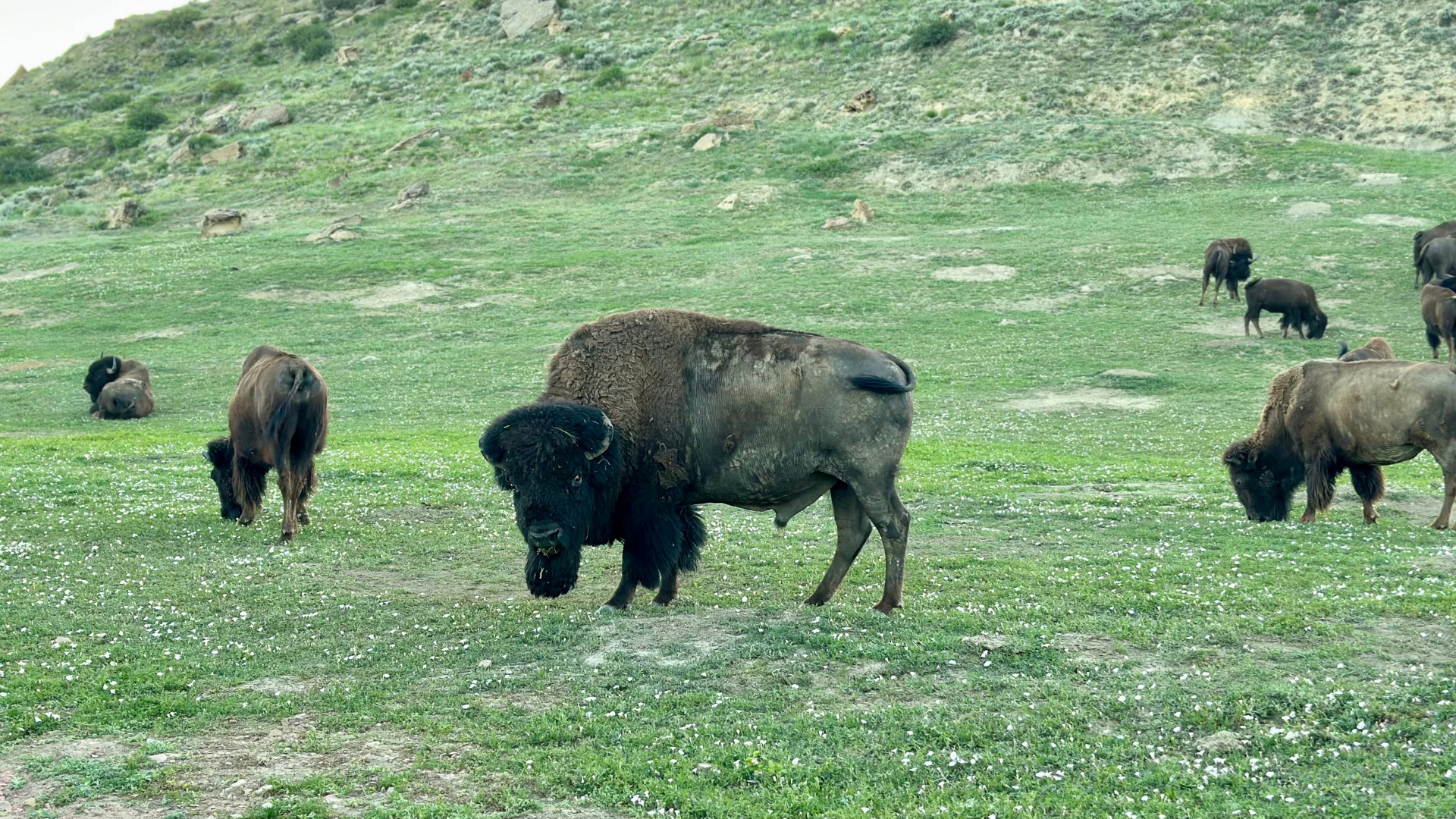
Andrea’s small bison herd is eligible for the GGRASS drop credit since she’s calving and finishing on-site. When she brings in 12 head for slaughter, she’s credited $150 for each animal’s hide and other potentially valuable byproducts which may be aggregated by the slaughterhouse for pet food, bison leather, or bone broth products.
Andrea heard nutrient density is a big selling point for local grass-fed meat, so she worked with a lab to have her meat analyzed for key nutritional components like fatty acids, antioxidants, and vitamins. To bootstrap her direct-to-consumer marketing, Andrea paid a contractor to develop a better website and newsletter for her farm.
Both the testing and marketing development services were eligible to be reimbursed by Growing GRASS so she did not have to invest any capital directly. Now she’s reaching new customers with a special interest in nutrient dense bison meat and has enough steady demand to add bison to her herd.
Enrollment payment: $3000
Holistic Management course: $800
Training travel and lodging cost: $214
Drop credit $150 x 12 head of bison = $1,800
Nutrient Density Testing: $1,400
Regenerative Marketing cost: $1,200
Total payments received: $8,414